The Northern Safari Parks Circuit of northeast Tanzania covers an amazing area and rich in natural features, wildlife and historical association, from the highest mount in Africa Kilimanjaro and the fire Ol Doinyo Lengai, Oldduvai Gorge part of the Ngorongoro and Seregenti ecology to the fishing waters of Lake Victoria leading up Rubondo Island. Mount Meru in central is smaller version of Kilimanjaro. Northern Circuit of Tanzania safari is known worldwide, because of his famous national parks like Serengeti, Lake Manyara, Tarangire, Ngorongoro and Arusha National Park.
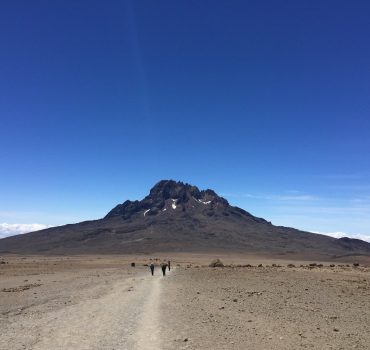
Arusha National Park is in Arusha Region covers Mount Meru, where some tourists like to hike the Mount Meru before hike the Mount Kilimanjaro. The Park is small (137 sq Km), but lovely African park with spectacular landscape. Arusha region is known as “Safari town” because most of the famous National Parks are close to Arusha City. In the west, the Meru Crater funnel the Jekukumia River; the peak of mount Meru lies on its rim. Mount Meru, the fight highest African mountain and the second highest peak in Tanzania after Mount Kilimanjaro.
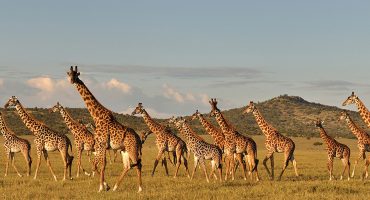
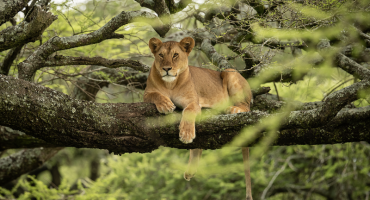
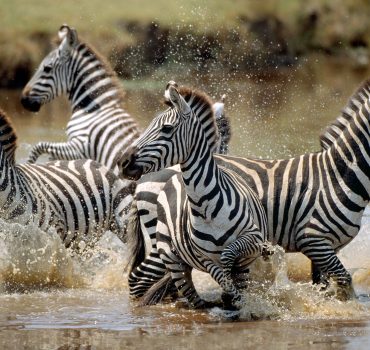
Arusha National Park has a rich variety of wildlife, like Cape buffalo, zebra, warthog, the black-and-white colobus monkey, the blue monkey, flamingo, elephant, lion, giraffe, Zebra and many other African animals
Arusha National Park
After breakfast you will be met by our professional guide / driver who will be given you a short safari info briefing, after briefing you will procced to the Arusha National Park. This small but beautiful Tanzania National Park is the closet national park to both the famous Arusha and Kilimanjaro airport.
During your safari you see three most significant features include the rugged Mount Meru (Tanzania’s second highest peak at 4566m) and you could be seen African Buffalos, Elephants, hippos, giraffe, warthogs, antelopes, Zebras etc… After Safari you will be transfer back to your hotel or airport.
Lake Manyara National Park
Lake Manyara National Park is a shallow lake in the Natron-Lake Manyara-Balangida branch of the East African Rift in Manyara Region. Lake Manyara is scenic gem, with a setting extolled by Ernest Hemingway as “The loveliest I had seen in Africa”. The park compact game-viewing circuit through Manyara offers a virtual microcosm of Tanzania safari experience.
Distance form Arusha to Lake Manyara is around 120 km. The name Manyara comes from Maasai word emanyara, which is a Euphorbia species of plant that is grown into a hedge around family homestead. The name is a Masai description not for the lake, but in general for a lake shore region. The park is small 325 km2 more than 2/3 are covered by Lake Manyara. In the driest years, the lake can be dry up completely, for example in 1961 and 2004.
Tarangire National Park
Tarangire National Park is the sixth largest national park and important National Park in the northern circuit. The name of the park come from the Tarangire River that crosses the park. The fresh water of the Tarangire River is the main source of fresh water for wild like animals in the Tarangire Ecosystem, during the annual dry season. It means that without the Tarangire River during the dry season wild animals could suffer. The Park has an area of approximately 2,850 square kilometres (1,100 square miles).
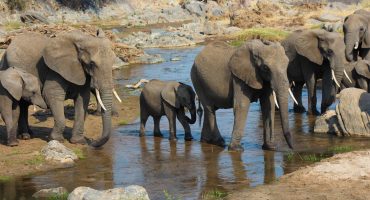
The park has huge landsacapes of rolling plains and it is bordered on the west by the eastern end of the African rift. Tarangire is famous for high density of elephants and baobab tress. During June to November dry season can see large of herds of thousands of Zebras, wildebeest and Cape buffalo.
Common resident animals can be found in the park include waterbuck, giraffe, dik dik, impala, eland, Grant’s gazelle, vervet monkey, banded mongoose and olive baboon. Predator animals in Tarangire include lion, leopard, cheetah, caracal, honey badger and African wild dog. “The oldest known elephant to give birth to twins is found in Tarangire. There are more than 550 bird species and the park is great place for bird enthusiasts.
Ngorongoro conservation Area
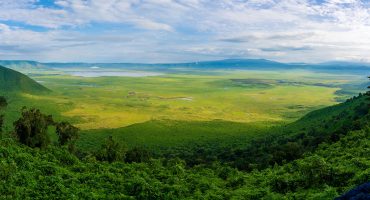
Ngorongoro conservation Area is a protected area and a World Heritage site located km (110 mil) west of Arusha in the Crater Highlands area of Tanzania. The Ngorongoro Conservation Area (NCA) covers 8,292 square Kilometers and Ngorongoro Conservation Area was established in 1959. The name of the crater was named by the Maasai pastoralists after sound produced by the cowbell (ngoro ngoro).
Historically Ngorongoro was a chain of volcano, 2.5Million years ago BC that was erupted.
Olduvai Gorge is located in the western flank of Ngorongoro conservation area’ volcanic highland on western margin of the East African Rift Valley. When we talk about Ngorongoro, we talk also about evolutionary, human history as something separate from the history of animals began here in Africa about seven million years ago.
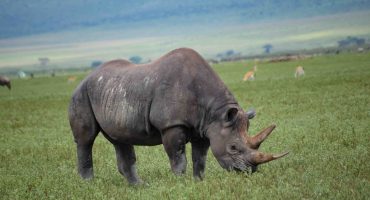
There are approximately 25,000 large animals live in the crater, include the black rhinoceros (under protection project), bufflo, hippo, thomon’s gazelles, Zebra, waterbuck, impala, cheetah, East Africa wild dog and African leopard, lion etc…
Serengeti National Park
Serengeti National Park is a National park located in the north of Tanzania (East Africa), the park covers 14,1750 square kilometres (5,700 sq m). It is the second park of Africa with many wildlife, about 4 four million wildlife of which more than 400 species of birds are present.
Serengeti is known for his two annual migrations of millions of wildebeest, zebra and Thomson gazelles. The Seregenti National Park have different borders; to the north-western of Tanzania is bordered with the Maasai Mara National Reserve. To the southeast of the park is the Ngorongoro Conservation Area, to the southwest is Maswa Game Reserve, to the west are the Ikorongo and Grumeti Game Reserve.
The park is always describe as divided into four regions
The southern park area, Serengeti plains
The Central park area included the Seronera area and most of the campsite, some of lodges are located.
The western corridor, the black clay soil covers the savannah of this region.
Northern Serengeti corridor
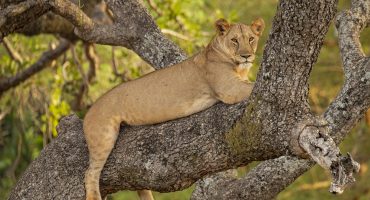
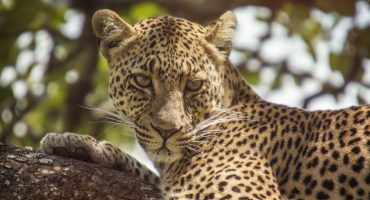
The park is well known for its abundance of wildlife and high biodiversity, you can find many herbivores like Wildebeests, Thomson’s Gazelles, Zebras, Impala, Buffalo, Grant’s Gazelles, Elands, Giraffes, Elephants etc….You can find many carnivores like Hyenas, Lions, Cheetahs and Wild dogs etc.The Serengeti National Park is the only park in Tanzania where cheetahs and leopards can easily be seen during safari and best location for pictures. There is very little chance of seeing these two species in other parks.
When is the best time to visit Serengeti National Park?
Best time for game drive and wildlife viewing in Serengeti National is non-season and it is good throughout the year, but some areas are more awesome at specific times. From June – October (peak and dry season), you will have a best wildlife viewing in general – Migration of wildebeest. The best time and chance of seeing Migration it is during June and July and the timing of the migration varies every year.
June and July, you will see the wildebeest migration in the western corridor and August to September in north of the park. During the dry season animals are an easier to be seen because there is less water (rivers/waterholes) and the vegetations are dry. During the dry season the park is crowded around the Seronera area. November to May is the wet season – January to February in the southern Serengeti you will have chance to see the wildebeest calving and best time to see predator hunting them. April and May are low season and it is less crowded, and accommodation might be cheaper.
Hot Air Balloon Safari in Serengeti
It is a very popular – Take off at dawn, balloon safari is among the lovely adventure safari start early morning, when you will be picked up from your lodge or camp. Because you will be picked up when still dark and you might have privilege to see animals on the way to the launch site.
Upon arrival on the site you meet your pilot and witness your balloon being inflated and prepared for launching and you also get briefing regarding safety and demonstration of boarding and landing. For more information email us